Pavel Yanushka
June 10, 2026
10
min. read
and updated on:
June 10, 2026

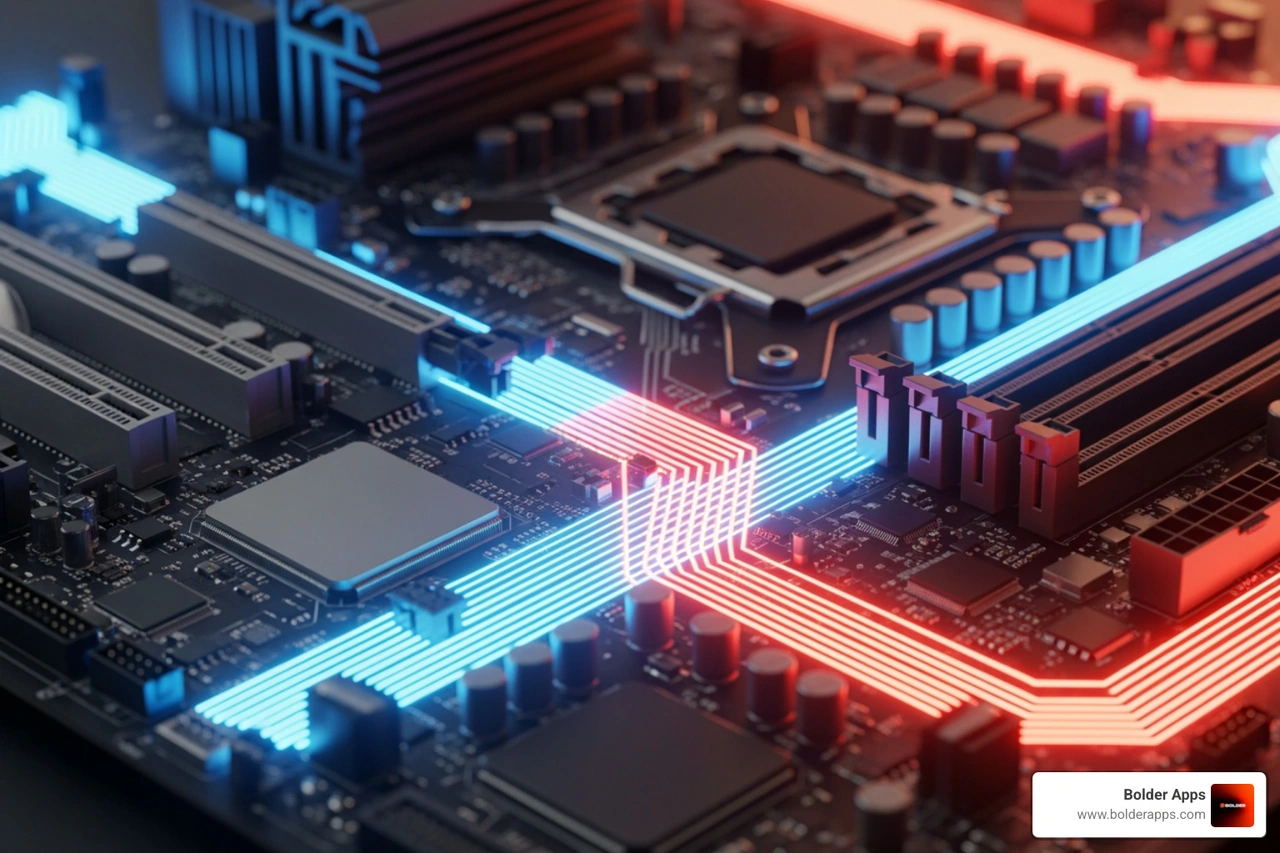
Every digital device, from a smartphone to an enterprise system, relies on different Types of Software. Without it, hardware is just an inert box. Software is the set of instructions—the brain—that tells the hardware what to do.
Here's a quick overview of the main types:
A computer needs both hardware (the physical parts) and software (the instructions) to function. Software is the essential layer that brings the machine to life, allowing us to perform countless tasks.

To truly grasp software, it's helpful to start with the foundational distinction between system and application software. Think of system software as the stage crew in a theater—working behind the scenes to make sure everything runs. Application software is the play itself, which the audience (the user) directly experiences.
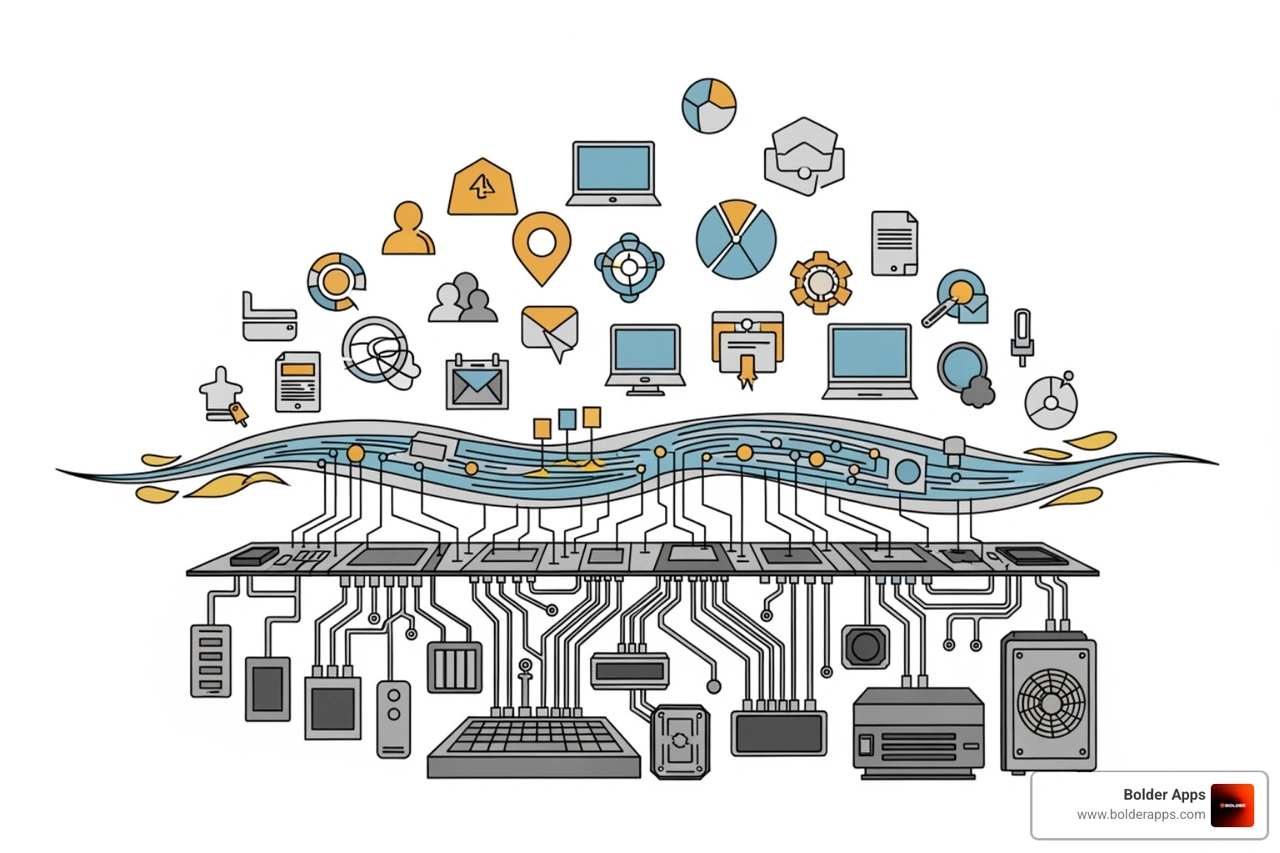
System software is the bedrock of a computer. It's a collection of programs that manage and control the hardware, providing a stable platform for other software to run. It operates the computer's internal functions and acts as the interface between the hardware and user applications. Without it, a computer is useless.
Application software, or "apps," are the programs we interact with daily to perform specific tasks. Whether you're writing a document, browsing the web, or editing photos, you're using application software designed to solve a particular problem or meet a specific need.
Understanding this distinction is crucial for building custom solutions that integrate seamlessly with existing systems. More info about our Custom Software Development services.
Now that we've established the core categories, let's explore the seven most important Types of Software in detail. Each plays a unique and vital role in making our digital lives, and businesses, run smoothly.
System software orchestrates all computer hardware operations, providing a stable environment for applications. The most important example is the Operating System (OS).
The OS acts as the computer's central nervous system, handling process management (allocating CPU time), memory management, and file management (storing and retrieving data).
Modern Operating Systems like Windows, macOS, Linux, iOS, and Android feature a Graphical User Interface (GUI), allowing users to interact visually with icons and windows. The OS also provides a hardware abstraction layer, so developers can write code for the OS without worrying about the specifics of every hardware component.
Application software includes programs designed for specific user-centric tasks. It can be divided into two main categories:
Enterprise software is a massive market, with revenues over $517 billion in 2030, highlighting the demand for tools that streamline operations.
At Bolder Apps, we specialize in creating these custom solutions to address unique business challenges. Enterprise App Development Solutions.
Common application software examples include:
Programming software, or development tools, helps developers create, test, and maintain other software. These tools translate human-readable programming languages (like Python or Java) into machine code.
Key components include:
Modern development also relies on DevOps tools for automation, including CI/CD pipelines (Jenkins), containerization (Docker, Kubernetes), and configuration management (Ansible). These tools automate the software delivery lifecycle, ensuring faster and more reliable releases. Understanding this architecture is key to building scalable solutions. More info about our Software Architecture Design services.
Every piece of hardware connected to your computer, from a mouse to a graphics card, needs driver software to communicate with the operating system (OS).
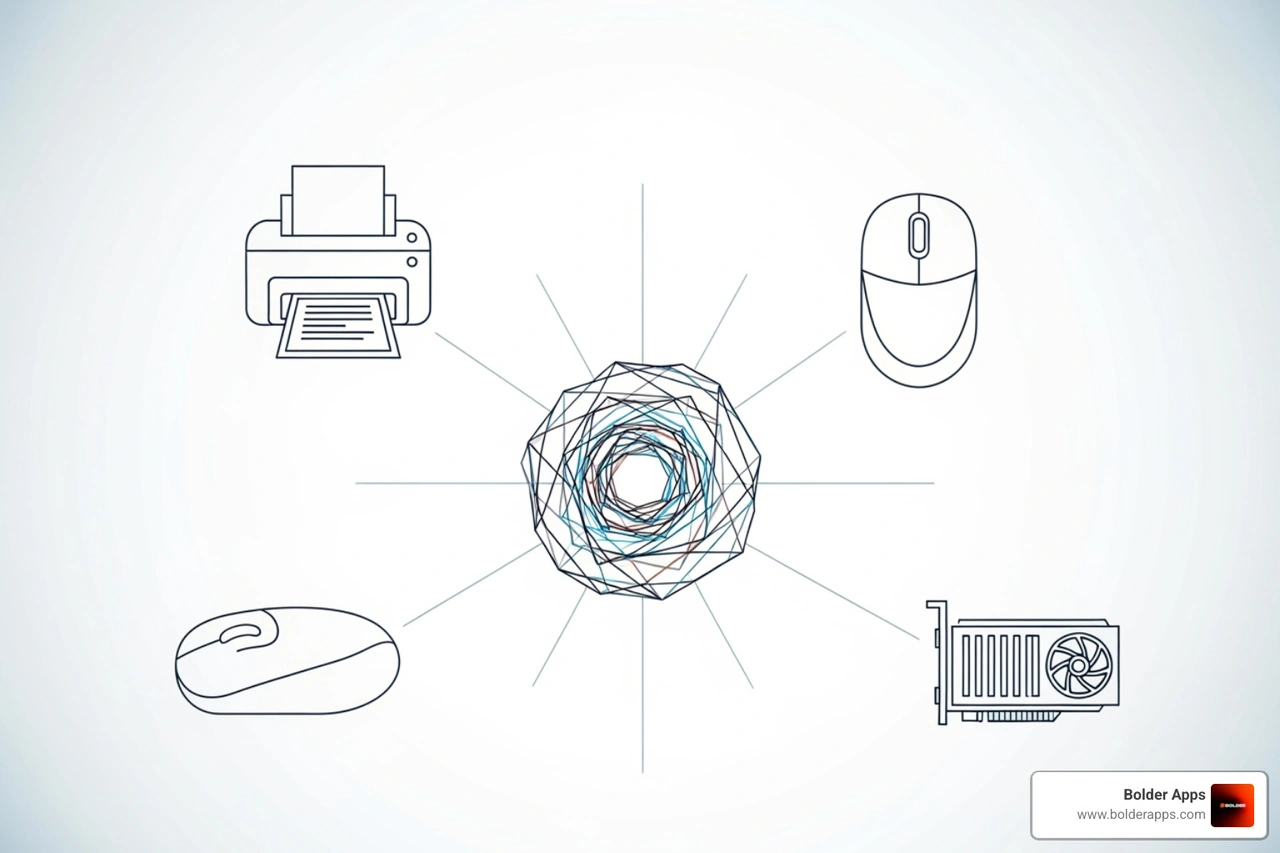
A driver is a program that translates the OS's generic commands into specific instructions a hardware device can understand. Without the correct driver, your OS wouldn't know how to use your printer, monitor, or keyboard. When you connect a new device, you often install a driver to teach the OS how to communicate with it.
Essential drivers include those for:
These small programs ensure your hardware and software speak the same language.
Utility software works behind the scenes to keep your computer healthy, optimized, and secure. These tools perform maintenance tasks and are often bundled with the OS or installed as standalone apps.
Common utility software includes:
These essential tools keep our digital environments clean, safe, and running efficiently.
Embedded software controls specific functions of non-computer devices, bringing "smart" capabilities to everyday objects. It's built directly into hardware, often stored in ROM or flash memory, and is designed for efficiency and reliability with limited resources.
A common type is Firmware, like the BIOS on a computer's motherboard that starts the system up. Another is Real-Time Operating Systems (RTOS), used in time-critical systems like a car's braking system, where an immediate response is crucial.
Applications of embedded software are everywhere:
This hidden intelligence enables a vast array of specialized devices to function safely and effectively.
Instead of being installed locally, cloud-based software runs on remote servers and is accessed over the internet. This model offers immense scalability and accessibility, allowing users to access apps and data from any device with an internet connection.
The three main cloud computing models are:
Cloud software offers flexibility and cost-effectiveness, but it's important to consider performance and cost for specialized needs. For example, some AI applications may perform better with edge computing instead of a cloud subscription. Why Your Cloud AI Subscription Is a Waste of Money: The Edge AI Shift.
Understanding the different Types of Software is just the beginning. The real challenge, and opportunity, lies in strategically choosing and deploying the right software for your specific needs. This involves careful consideration of various factors, from project goals to licensing models and future trends.
Selecting the right software, whether off-the-shelf or custom, requires a strategic approach.
Key considerations include:
For unique challenges, custom-built software often provides the best long-term value and competitive advantage despite a higher initial cost.
Software distribution and licensing models have significant legal and financial implications.
Primary models include:
Legal aspects like Intellectual Property (IP) are also critical. Software is protected by copyright, and sometimes patents, which grant creators exclusive rights. Understanding this is essential when developing new apps. How to Patent an App Idea in 2026.
The software world is constantly evolving, driven by hardware advancements and demand for smarter digital experiences. Key trends include:
These trends point toward more intelligent, adaptive software, requiring businesses to innovate continuously to stay competitive.
Here are answers to some common questions about the Types of Software.
The main difference is their function. System software runs the computer itself by managing hardware and providing a platform (like an OS). It works in the background. Application software runs on top of system software to perform specific tasks for the end-user, like a web browser or word processor.
DevOps bridges the gap between development (Dev) and operations (Ops) teams. Using automation software for CI/CD, containerization (Docker), and orchestration (Kubernetes), DevOps streamlines the entire software delivery lifecycle. This results in faster, more reliable releases and ensures that software can be delivered and maintained efficiently.
Software quality and security are paramount for user trust and business success.
Both are fundamental business imperatives for any successful software product.
Understanding the different Types of Software is the first step in any successful digital project. But turning that knowledge into a high-impact, market-leading application requires a strategic partner. Bolder Apps combines US-based tech leadership with a senior distributed engineering team to build your vision without junior developers learning on your dime. Our fixed-budget, milestone-based payment model ensures your project is delivered on time and on budget, changing your idea into a powerful, intuitive product. Ready to build something bold? Explore our services and let's create the future, together.